
If you’ve invested in a beautiful landscape, you’re not alone — thoughtfully designed outdoor spaces are one of the biggest drivers of curb appeal and property value across North Carolina and South Carolina.
But here’s what most homeowners don’t realize:
the same features that make your yard look incredible can quietly create ideal conditions for pests.
At Avista Pest Control, we approach homes as ecosystems — and when certain landscape elements are out of balance, they can invite insects, rodents, and even termites right up to your foundation.
Below are 7 common landscape features that may be attracting pests to your home — and how to fix them.
1. Thick Groundcover Plants

Why it attracts pests:
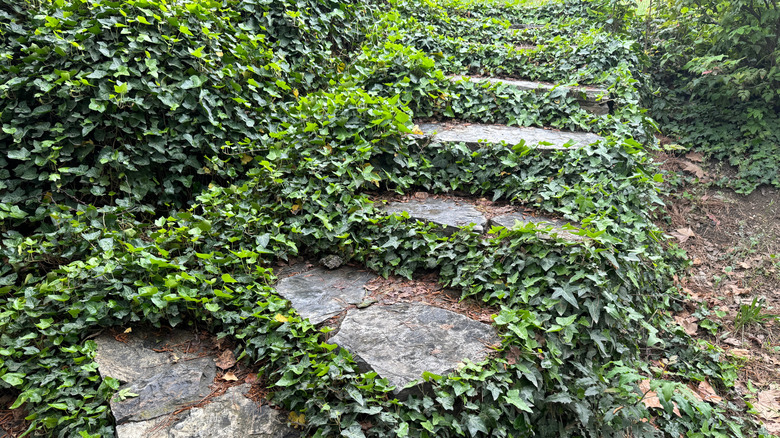
- Provides shelter for spiders, ants, and roaches
- Holds humidity near the foundation
- Creates hidden travel routes into the home
What to do:
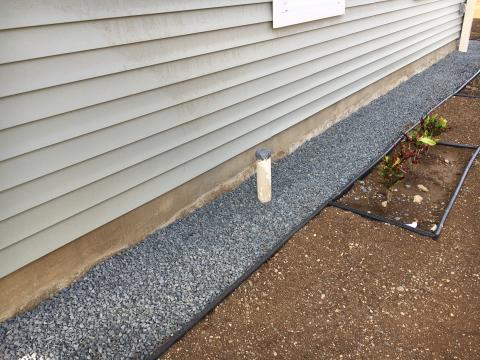
Keep groundcover trimmed back at least 12–18 inches from the structure to reduce pest pressure.
2. Foundation Shrubs and Bushes

Why it attracts pests:
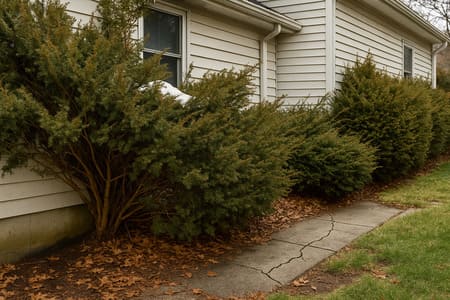
- Blocks airflow and traps moisture
- Gives pests a bridge from yard to structure
- Provides nesting areas for rodents and insects
What to do:
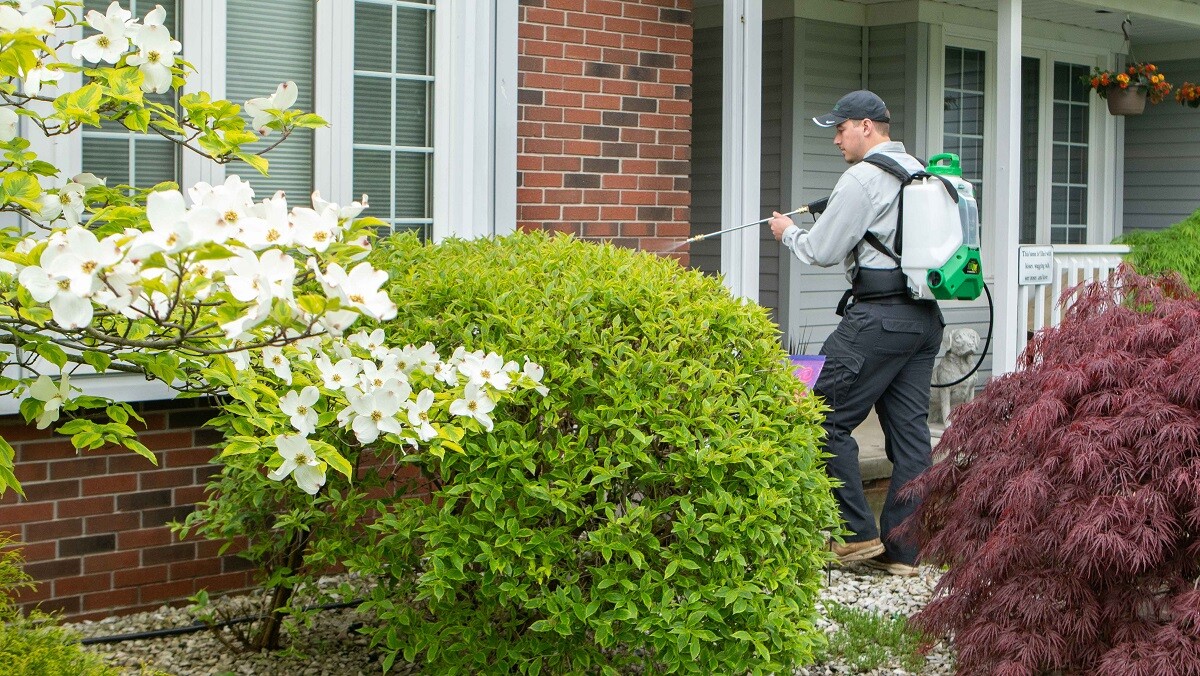
Maintain a visible gap between shrubs and the home. Airflow = pest reduction.
3. Stone Retaining Walls


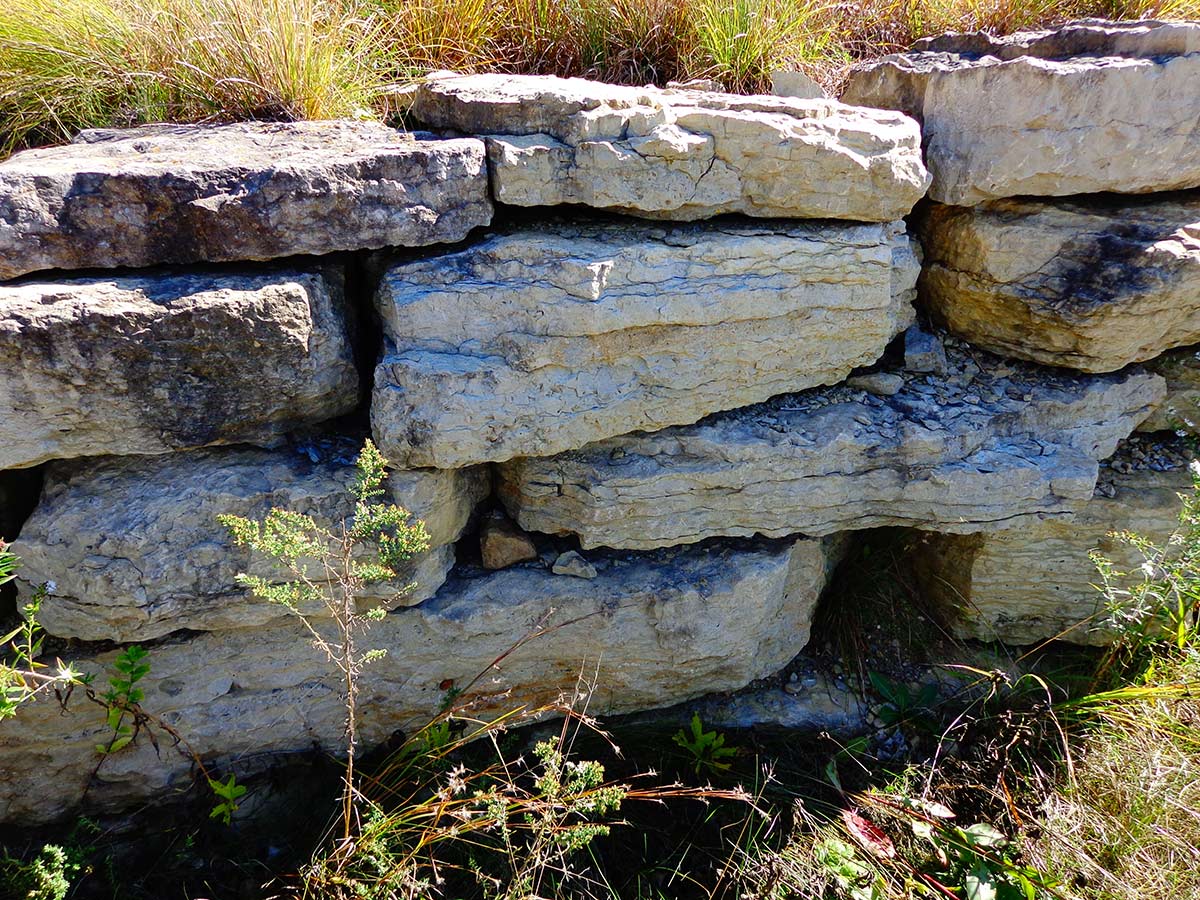
Why it attracts pests:
- Ideal hiding spots for ants, spiders, and roaches
- Can harbor moisture behind the wall
- Sometimes becomes a staging ground for termites
What to do:
Inspect regularly and avoid placing walls directly against the foundation when possible.
4. Decorative Outdoor Lighting

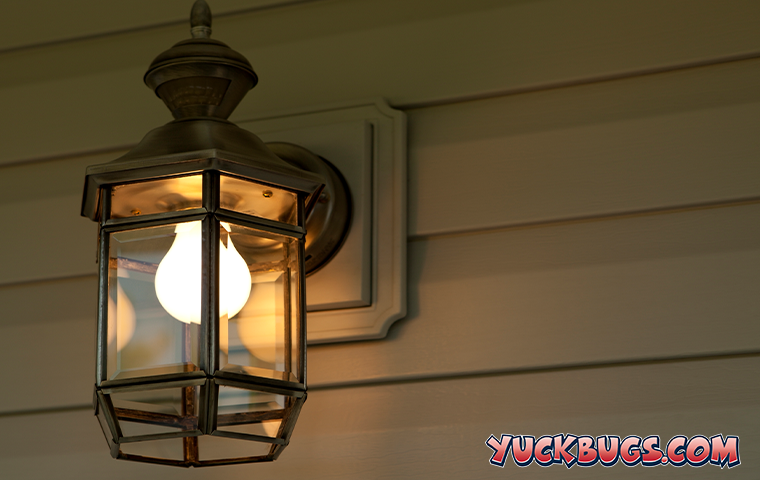

Why it attracts pests:
- Many insects are drawn to UV and warm-spectrum light
- Creates feeding zones for spiders
- Increases overall insect activity near entry points
What to do:
Switch to warm LED bulbs or yellow “bug lights” and avoid placing lights directly over doors and windows.
5. Overwatering Your Lawn and Beds

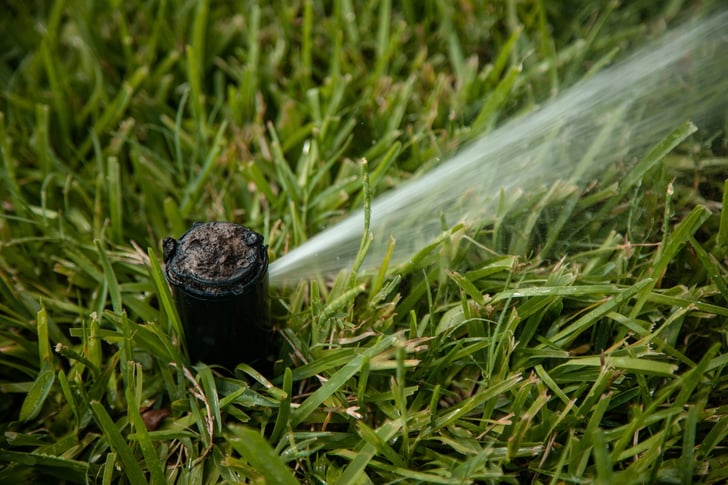

Why it attracts pests:
- Creates ideal breeding conditions for mosquitoes
- Encourages termites and ants
- Leads to fungal growth that supports insects
What to do:
Water deeply but less frequently, and fix any areas where water pools.
6. Mulch Piled Against Siding
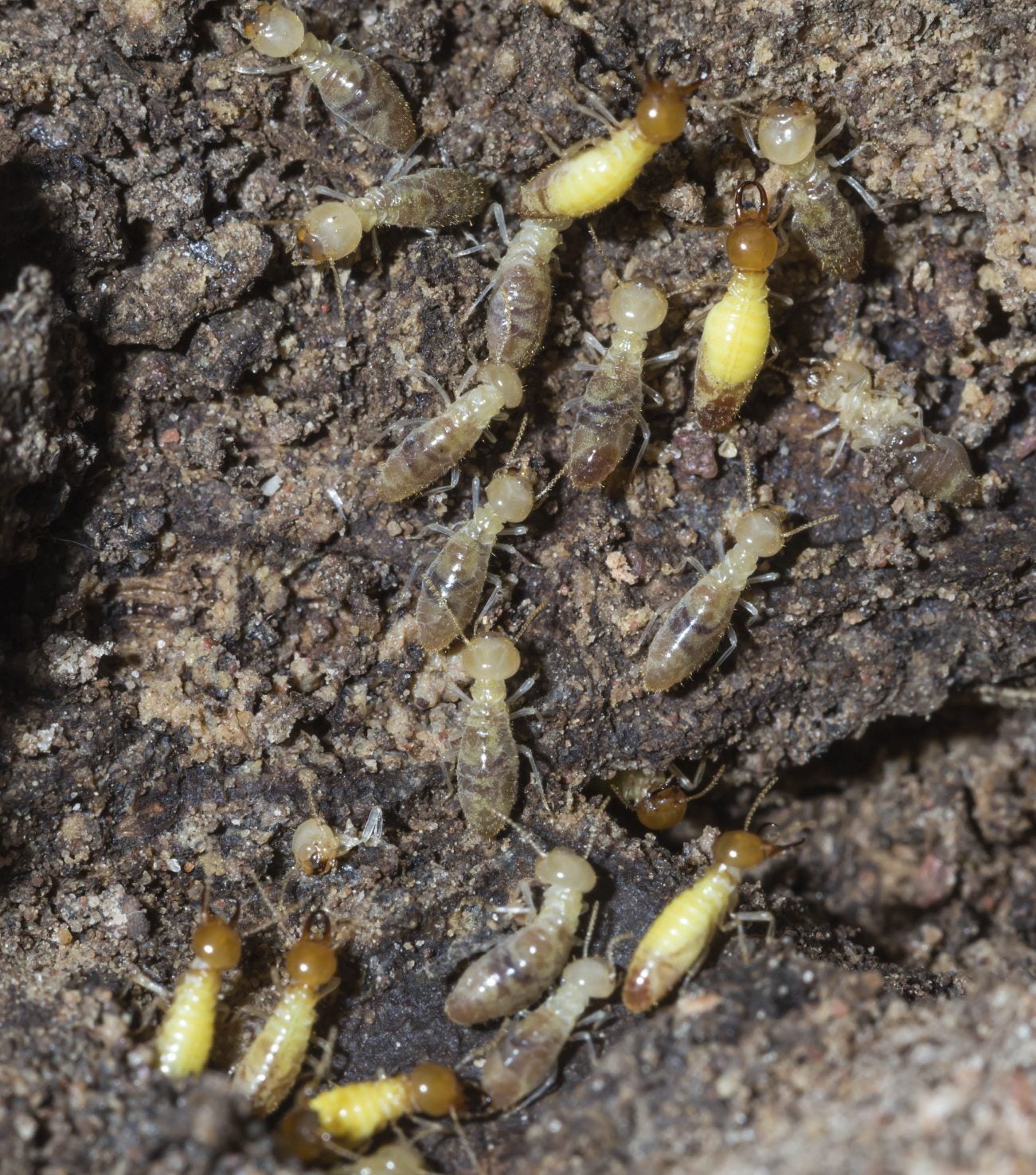


Why it attracts pests:
- Holds moisture directly against the structure
- Can attract termites and other wood-destroying insects
- Provides easy, concealed access into the home
What to do:
Maintain a clear gap between mulch and siding (ideally 2–3 inches).
7. Dense Hedges and Privacy Screens
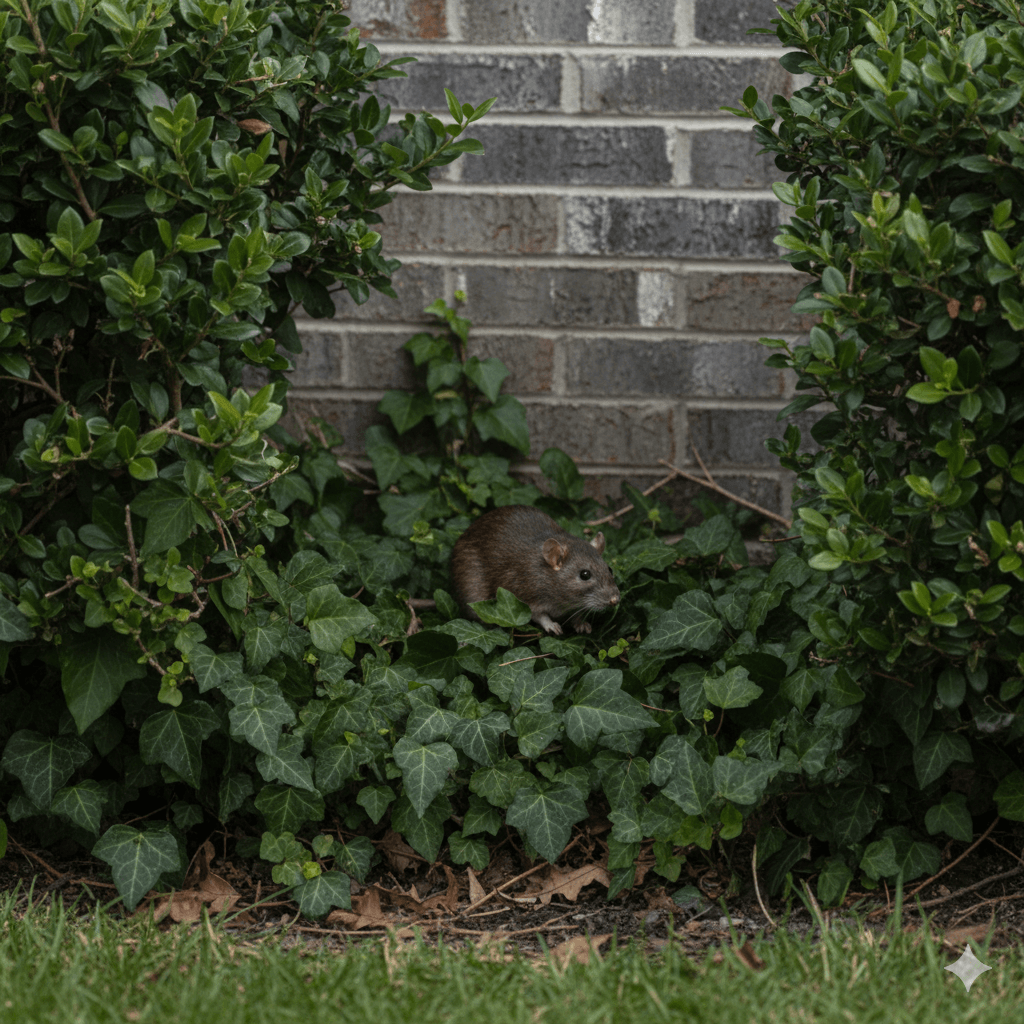
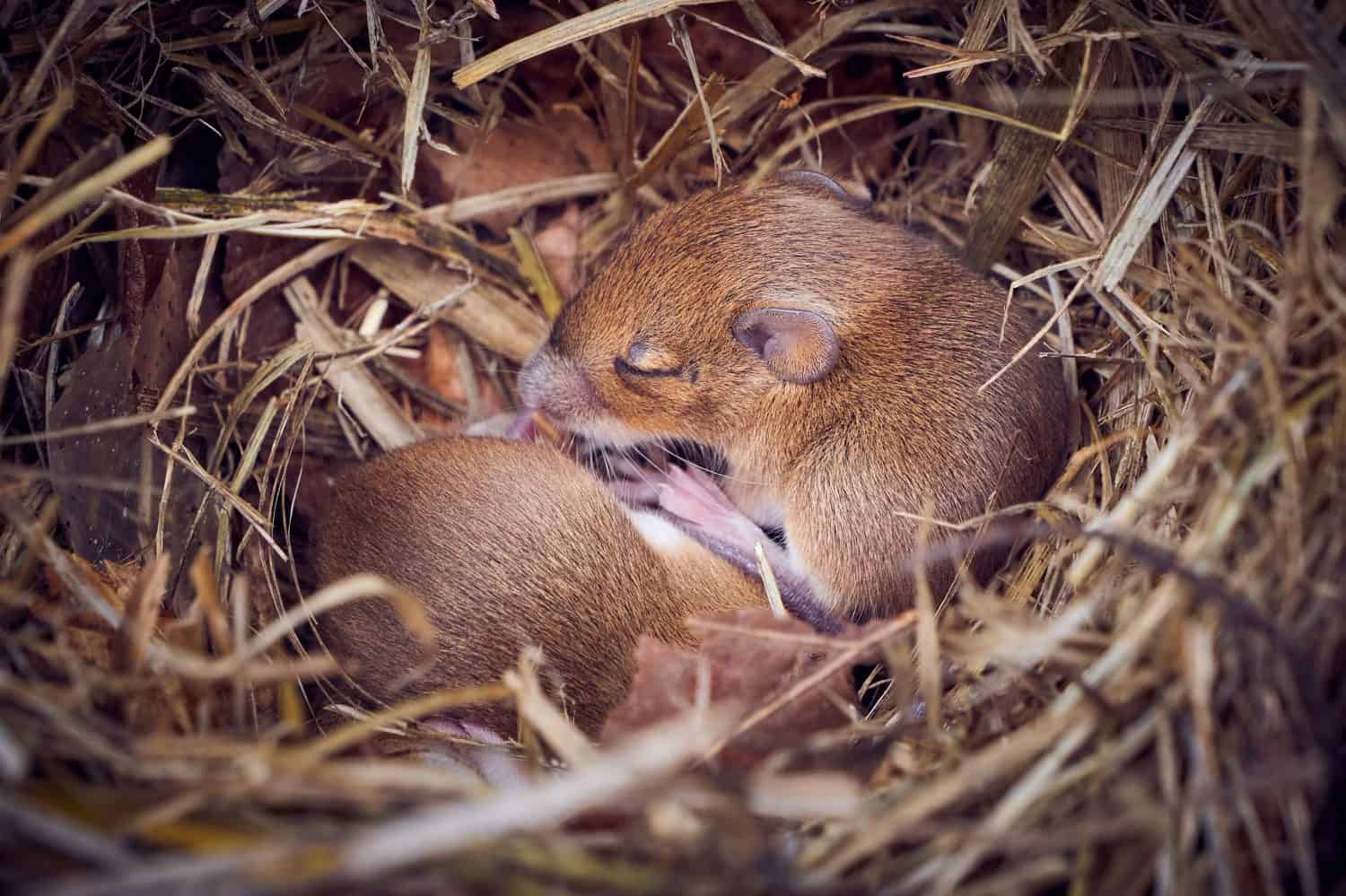
Why it attracts pests:
- Creates shaded, protected corridors
- Allows rodents to move undetected
- Encourages nesting close to the home
What to do:
Keep hedges trimmed, elevated off the ground, and away from direct contact with the structure.
The Bigger Picture: Your Home Is an Ecosystem
Most pest problems don’t start inside your home —
they start outside, in the environment you’ve created.
That’s why at Avista Pest Control, we don’t just “spray for bugs.”
We help homeowners understand how their property functions as a living system — and how small adjustments can dramatically reduce pest pressure.
Want a Professional Assessment?
If you’re noticing increased pest activity — or just want peace of mind — we can walk your property and identify risk factors before they become problems.
Our bi-monthly exterior service is designed specifically for homes like yours, creating a consistent barrier that adapts to seasonal pest behavior across the Carolinas.
Avista Pest Control
Premium, preventative pest protection for homes that deserve more than a basic spray.
